Chhath Puja 2026: History, Significance, Rituals, Dates, Traditions and Celebration
Introduction
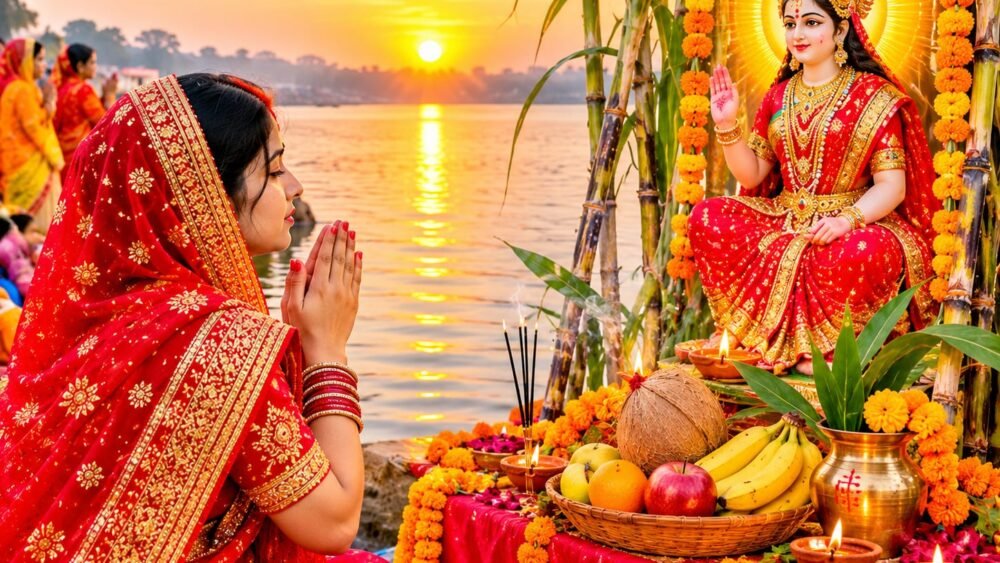
Chhath Puja is one of the most important and sacred Hindu festivals celebrated mainly in Bihar, Jharkhand, eastern Uttar Pradesh, and parts of Nepal. This festival is dedicated to Lord Surya (the Sun God) and Chhathi Maiya. Devotees worship the Sun God and offer prayers to express gratitude for providing energy, life, health, and prosperity to all living beings.
Unlike many other Hindu festivals, Chhath Puja is celebrated with strict fasting, devotion, cleanliness, and traditional rituals. Devotees offer Arghya (water offerings) to the setting and rising Sun while standing in rivers, ponds, and other water bodies.
Chhath Puja is not just a religious celebration; it also represents faith, discipline, environmental awareness, family unity, and respect for nature.
What Is Chhath Puja?
Chhath Puja is a four-day Hindu festival dedicated to the worship of the Sun God and Chhathi Maiya. The word “Chhath” refers to the sixth day of the lunar fortnight, on which the main festival rituals are traditionally performed.
The festival is celebrated twice a year in some regions, but Kartik Chhath, which falls during October or November, is the most widely celebrated occasion.
During this festival, devotees observe a difficult fast and follow traditional practices to seek blessings for the well-being, happiness, and long life of their family members.
Chhath Puja 2026: Important Dates and Rituals
Chhath Puja is observed over four days. Each day has a special religious meaning and specific rituals.
1. Nahay Khay
Nahay Khay marks the beginning of Chhath Puja. On this day, devotees take a holy bath, clean their homes, and prepare traditional vegetarian food.
The food is prepared with great cleanliness and devotion. Common dishes include rice, chana dal, and pumpkin curry.
2. Kharna
The second day is known as Kharna. Devotees observe a fast throughout the day and break it after sunset following prayers.
Traditional offerings include jaggery kheer, chapati, and fruits. After completing the Kharna ritual, devotees begin a strict fast that continues for approximately 36 hours without food or water.
3. Sandhya Arghya
The third day is considered the main day of Chhath Puja. Devotees gather near rivers, ponds, and other water bodies to offer Arghya to the setting Sun.
Families prepare traditional offerings in bamboo baskets called soop and daura. These offerings commonly include fruits, sugarcane, thekua, rice laddus, and other traditional food items.
Devotional songs and prayers create a spiritual atmosphere during the evening celebrations.
4. Usha Arghya
The fourth and final day begins early in the morning. Devotees gather near water bodies before sunrise and offer Arghya to the rising Sun.
After completing the prayers, devotees seek blessings from Chhathi Maiya and break their fast. This ritual is called Paran and marks the completion of Chhath Puja.
Religious Significance of Chhath Puja
Chhath Puja has deep religious and cultural importance in Hindu tradition.
The Sun is considered the source of energy and life on Earth. Worshipping the Sun God represents gratitude towards nature and recognition of the importance of sunlight for all living beings.
Chhathi Maiya is worshipped as a protective mother goddess who blesses devotees with happiness, prosperity, good health, and family well-being.
Many people observe Chhath Puja to pray for the long life of their children, success in life, and peace within their families.
History and Mythological Stories of Chhath Puja
Several stories are associated with the origin of Chhath Puja in Hindu mythology.
Chhath Puja and the Mahabharata
According to popular traditional beliefs, Draupadi and the Pandavas performed Sun worship during difficult times in their lives. Their devotion is associated with prayers for strength, prosperity, and the removal of difficulties.
Karna, the eldest son of Kunti, is also closely associated with Sun worship. He was believed to be a great devotee of Surya Dev and regularly offered prayers to the Sun.
Chhath Puja and Lord Rama
According to another popular belief, Lord Rama and Goddess Sita performed Sun worship after returning to Ayodhya following their exile. This tradition is sometimes connected with the origins of Chhath Puja.
These stories highlight the importance of the Sun God in Hindu religious traditions.
Traditional Food and Offerings During Chhath Puja
Food plays an important role in Chhath Puja. All offerings are prepared with devotion and special attention to cleanliness.
Some popular Chhath Puja offerings include:
- Thekua: A traditional sweet made using wheat flour and jaggery or sugar.
- Kasar: A traditional sweet preparation made from rice flour and jaggery.
- Fruits: Bananas, coconuts, apples, and seasonal fruits.
- Sugarcane: An important traditional offering during the festival.
- Rice Laddus: Prepared as part of the traditional prasad.
- Jaggery Kheer: A sweet rice preparation offered during Kharna.
These traditional foods are distributed among family members, friends, and neighbours as prasad.
How Is Chhath Puja Celebrated Across India?
Chhath Puja is celebrated with great enthusiasm in Bihar, Jharkhand, and Uttar Pradesh. It is also observed in Delhi, Mumbai, Kolkata, and other Indian cities where people from these regions live.
In Bihar, the festival has a particularly strong cultural connection. Families prepare for the celebrations several days in advance by cleaning their homes, purchasing fruits, and arranging traditional puja materials.
In cities, devotees gather at specially prepared ghats near rivers, lakes, and ponds. Local communities and government authorities often arrange lighting, cleanliness facilities, and safety measures for devotees.
Chhath Puja has also become an important cultural celebration among Indian communities living abroad.
Environmental Importance of Chhath Puja
Chhath Puja teaches people to respect nature and appreciate natural resources.
The festival highlights the importance of the Sun, water, rivers, and the environment. Devotees traditionally use natural materials such as bamboo baskets and prepare offerings using fruits and other agricultural products.
The festival also creates awareness about maintaining clean rivers and public water bodies.
However, devotees and organisers should ensure that plastic waste and other non-biodegradable materials are not left at religious sites after celebrations.
Why Is Chhath Puja Important for Families?
Chhath Puja brings families and communities together. Family members participate in cleaning homes, preparing offerings, arranging puja materials, and visiting nearby ghats.
The festival encourages discipline, patience, devotion, and respect for family traditions.
It also provides an opportunity for younger generations to understand their cultural heritage and learn traditional songs, rituals, and values from elders.
Conclusion
Chhath Puja is a beautiful festival that represents devotion, gratitude, discipline, and respect for nature. Dedicated to Lord Surya and Chhathi Maiya, this four-day celebration holds a special place in the hearts of millions of devotees.
From Nahay Khay and Kharna to Sandhya Arghya and Usha Arghya, every ritual carries a deep religious and cultural meaning.
Whether celebrated in a village, a city, or abroad, Chhath Puja continues to preserve India’s rich cultural heritage and bring families together through faith and devotion.
Frequently Asked Questions (FAQs)
1. What is Chhath Puja?
Chhath Puja is a four-day Hindu festival dedicated to Lord Surya and Chhathi Maiya. Devotees pray for good health, prosperity, happiness, and family well-being.
2. Why is Chhath Puja celebrated?
Chhath Puja is celebrated to express gratitude to the Sun God, who is considered the source of energy and life on Earth.
3. How many days is Chhath Puja celebrated?
Chhath Puja is traditionally celebrated over four days: Nahay Khay, Kharna, Sandhya Arghya, and Usha Arghya.
4. Who is worshipped during Chhath Puja?
Devotees worship Lord Surya (the Sun God) and Chhathi Maiya.
5. What is the importance of Sandhya Arghya?
Sandhya Arghya is the evening ritual in which devotees offer water and traditional offerings to the setting Sun.
6. What is Usha Arghya?
Usha Arghya is the morning ritual in which devotees offer prayers and water to the rising Sun on the final day.
7. What is Kharna in Chhath Puja?
Kharna is the second day of Chhath Puja, when devotees fast throughout the day and break their fast after sunset with traditional prasad.
8. Which traditional sweet is famous during Chhath Puja?
Thekua is one of the most famous traditional sweets prepared during Chhath Puja.
9. Why do devotees observe a 36-hour fast?
The strict fast is a traditional expression of devotion, discipline, and dedication to the Sun God and Chhathi Maiya.
10. Where is Chhath Puja mainly celebrated?
It is mainly celebrated in Bihar, Jharkhand, eastern Uttar Pradesh, and Nepal, as well as in other parts of India and abroad.



Leave a Reply